

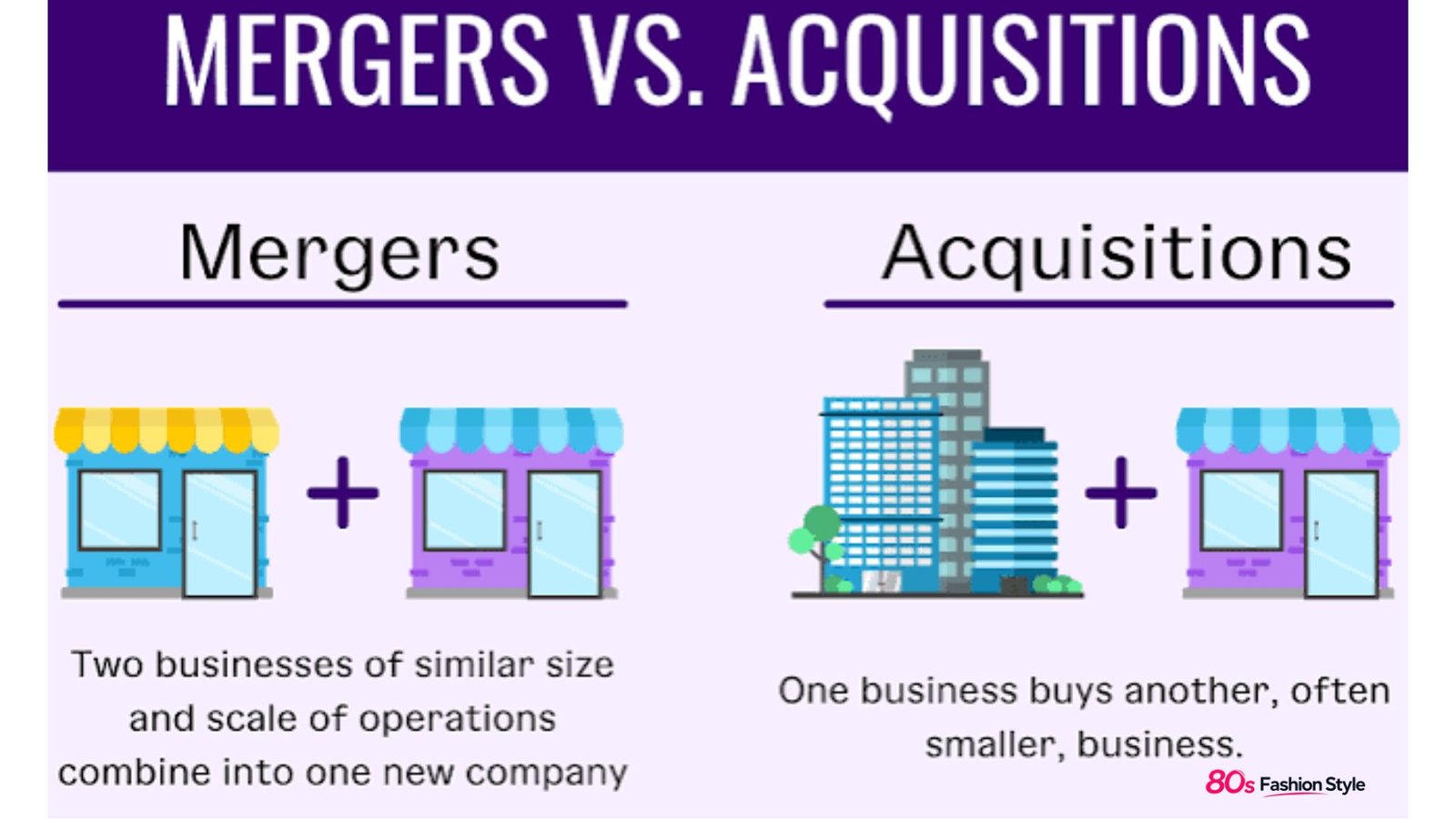
Mergers and acquisitions are major corporate transactions used to combine businesses, purchase companies, expand into new markets, acquire technology, or strengthen competitive positions. Although the terms are often grouped together, a merger and an acquisition are not identical. A merger generally combines businesses, while an acquisition involves one company purchasing control of another.
For business owners, executives, investors, and professionals evaluating a deal, understanding the process matters as much as understanding the headline purchase price. Successful transactions depend on strategic fit, accurate valuation, thorough due diligence, appropriate financing, regulatory compliance, and disciplined integration.
What Are Mergers and Acquisitions?
Mergers and acquisitions describe transactions in which ownership, control, or significant assets of businesses change hands or businesses are combined.
A merger typically creates a combined organization from two companies. An acquisition occurs when one company purchases another business, its shares, selected assets, or a controlling interest. The practical structure can vary considerably depending on tax, legal, financing, and commercial objectives.
Common reasons for pursuing mergers and acquisitions include:
- Entering a new geographic or customer market
- Acquiring technology, intellectual property, or specialist talent
- Increasing production capacity or distribution reach
- Reducing duplicated operating costs
- Diversifying products or revenue sources
- Accelerating growth compared with building internally
The strategic rationale should be clear before negotiations become advanced. Buying a business simply because it is available can create significant financial and operational problems.
How the M&A Process Works
Most mergers and acquisitions move through several overlapping stages rather than a perfectly linear sequence.
1. Strategy and target selection
The buyer first establishes what it wants to achieve. This could mean entering a new market, adding a product line, acquiring capabilities, or consolidating competitors. Potential targets are then screened against financial, operational, commercial, and strategic criteria.
2. Valuation and initial negotiations
The parties assess what the target may be worth using methods such as comparable-company analysis, precedent transactions, discounted cash flow analysis, or asset-based valuation.
Price is only one part of the negotiation. Payment structure, earn-outs, debt assumed, working-capital adjustments, warranties, indemnities, and closing conditions can materially change the economics of a transaction.
3. Due diligence
Due diligence tests whether the buyer’s understanding of the target is accurate. Financial records, contracts, employment arrangements, intellectual property, litigation, tax matters, cybersecurity, regulatory obligations, customer concentration, and other material issues may be examined.
This stage can uncover liabilities that affect price or even cause the buyer to abandon the transaction.
4. Definitive agreement and closing
Once the principal terms are negotiated, lawyers prepare the definitive transaction documents. These establish the parties’ rights and obligations and specify conditions that must be satisfied before closing.
Regulatory review may also be required. In the United States, certain transactions must be reported under the Hart-Scott-Rodino Act, and parties subject to the filing requirement generally cannot close until the applicable waiting period expires or is terminated early.
In the United Kingdom, the Competition and Markets Authority (CMA) can investigate qualifying mergers and assess their potential effect on competition. Its current merger guidance was updated in September 2026 to reflect changes concerning rivalry-enhancing efficiencies.
| Deal stage | Main objective | Key questions |
|---|---|---|
| Strategy | Define the reason for the deal | What capability or market is being acquired? |
| Valuation | Establish economic value | What is the business worth under realistic assumptions? |
| Due diligence | Identify risks | Are financial, legal, tax, and operational claims accurate? |
| Negotiation | Agree commercial terms | What price, structure, protections, and conditions are appropriate? |
| Closing | Complete the transaction | Have contractual and regulatory conditions been satisfied? |
| Integration | Capture expected value | How will people, systems, customers, and operations be combined? |
Mergers and Acquisitions: Key Risks to Assess
A transaction can look attractive on paper while carrying substantial execution risk.
Overvaluation is one of the most obvious concerns. Buyers may pay too much because of aggressive growth assumptions, competitive bidding, or enthusiasm about projected synergies.
Weak due diligence can expose the buyer to undisclosed liabilities, problematic contracts, customer dependency, intellectual-property disputes, tax exposures, or operational weaknesses.
Cultural differences can also undermine an otherwise sensible transaction. Employees may resist changes to leadership, compensation, reporting structures, technology, or working practices.
Integration failure is another major consideration. Combining businesses requires decisions about systems, organizational structure, branding, finance, data, processes, and personnel. A strong acquisition strategy therefore includes an integration plan before the transaction closes.
💡 Pro Tip: Build a quantified synergy plan before agreeing to the final price. Separate expected cost savings from uncertain revenue opportunities, assign owners to each initiative, and establish measurable milestones for the first 100 days after closing.
Stock Deals vs. Asset Deals
The structure of an acquisition can significantly affect the buyer and seller.
In a stock purchase, the buyer generally acquires ownership interests in the company, meaning the existing corporate entity continues to own its assets and obligations. In an asset purchase, the buyer acquires specified business assets and may assume selected liabilities.
Tax treatment depends on the transaction structure and applicable law. The U.S. Internal Revenue Service explains that a purchaser of a trade or business generally allocates the purchase price among acquired assets, including certain intangible assets.
The right structure depends on the transaction’s legal, tax, financing, liability, and operational circumstances. Professional legal and tax advice is essential before signing definitive documents.
What Makes a Deal Successful?
Successful mergers and acquisitions begin with a credible strategic reason and realistic financial assumptions. The buyer should understand not only what it is purchasing but also how the combined business is expected to create value.
Communication deserves particular attention. Employees, customers, suppliers, investors, and other stakeholders may have legitimate concerns about ownership changes. Clear communication can reduce uncertainty and help management maintain operational stability.
Integration planning should also start early. Decisions about leadership, technology systems, reporting, customer relationships, employee retention, and organizational design should not be postponed until after closing.
For cross-border transactions, the analysis becomes more complicated because different jurisdictions may impose separate competition, corporate, tax, employment, investment, or sector-specific requirements.
📌 Key Takeaway
The strongest mergers and acquisitions are not necessarily the largest or most expensive. They are transactions where the strategic rationale is clear, the valuation is defensible, material risks have been investigated, regulatory requirements are addressed, and management has a practical plan for creating value after closing.
Frequently Asked Questions
What is the difference between a merger and an acquisition?
A merger generally involves combining two businesses into a unified organization, while an acquisition involves one company obtaining control of another. In practice, transaction structures vary, and the legal form may not match the way the deal is described publicly.
Why do companies pursue acquisitions?
Companies may acquire other businesses to enter markets faster, obtain technology or intellectual property, add customers, expand capabilities, increase scale, or diversify revenue. The expected strategic benefit should be weighed against purchase price, integration costs, financing requirements, and transaction risks.
How long do mergers and acquisitions take?
There is no universal timeline. Smaller private transactions can move relatively quickly, while complex deals may take months or longer because of due diligence, financing, negotiations, regulatory review, shareholder matters, and integration planning.
What is due diligence in an acquisition?
Due diligence is the investigation of a target before completing a transaction. It can cover financial statements, taxes, contracts, employees, intellectual property, litigation, technology, cybersecurity, customers, suppliers, and regulatory obligations. Its purpose is to validate assumptions and identify risks that could affect the deal.
Can regulators stop a merger?
Yes. Competition authorities can investigate transactions that meet applicable legal criteria and may clear them, require remedies, or in some circumstances prevent the transaction from proceeding. In the UK, the CMA explains that its merger investigations focus on potential effects on competition and consumer outcomes.
Conclusion
Mergers and acquisitions require much more than agreeing on a purchase price. The real work lies in establishing strategic fit, testing assumptions through due diligence, structuring the transaction appropriately, satisfying legal and regulatory requirements, and integrating the businesses effectively.
For buyers and sellers, disciplined preparation can make negotiations clearer and expose problems before they become expensive. A well-planned approach to mergers and acquisitions focuses on durable business value rather than simply getting a transaction across the finish line.
