

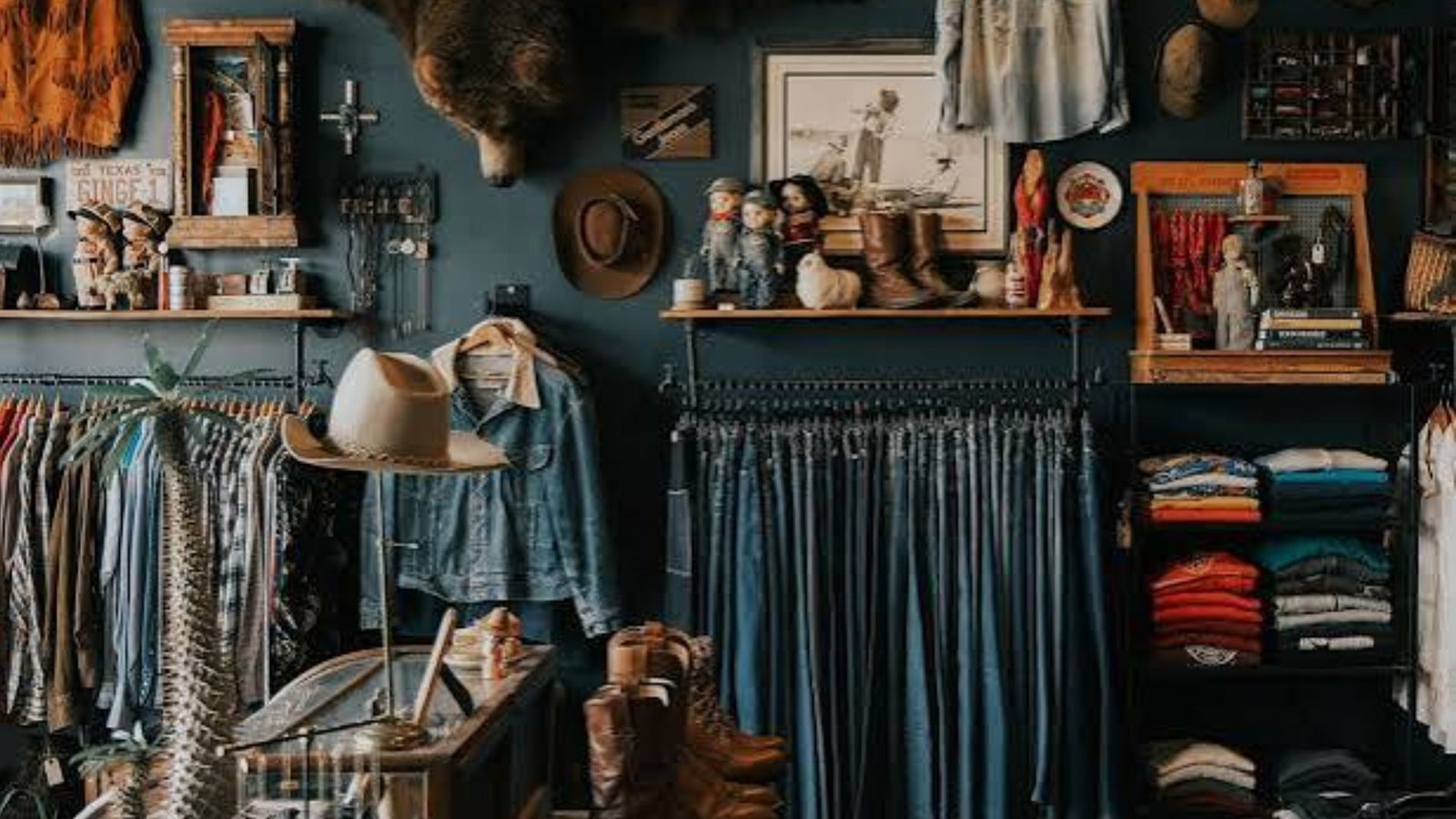
Finding special clothing, timeless furniture, and unique accessories can be difficult when ordinary shops offer the same styles. Many shoppers want quality pieces with character but struggle to identify trustworthy stores, compare prices, or locate shops nearby. Searching for vintage stores near me can help you discover hidden gems, affordable secondhand fashion, rare collectibles, and carefully selected antiques. With a few practical search tips, you can find shops that match your style, budget, and location.
What Are Vintage Stores?
Vintage stores sell previously owned or older items that reflect the styles, craftsmanship, and trends of earlier periods. Their collections may include clothing, shoes, handbags, jewelry, furniture, home decorations, records, and collectibles.
Unlike ordinary retail shops, vintage stores often carry limited quantities of individual items. This makes shopping more personal because you may discover something unusual that is difficult to find elsewhere.
Common products available at vintage stores include:
- Vintage jackets, denim, dresses, and shirts.
- Retro sneakers, sportswear, and accessories.
- Antique mirrors, chairs, tables, and cabinets.
- Designer handbags and pre-owned luxury clothing.
- Collectible watches, jewelry, records, and decorative objects.
- Affordable secondhand items for everyday use.
The selection depends on the store’s specialty, location, suppliers, and buying standards.
How to Find Vintage Stores Near Me
Finding suitable stores involves more than searching for the nearest shop. You should consider product selection, prices, condition, opening hours, and the distance you are willing to travel.
Use these steps to narrow your options:
- Search by location: Enter your neighborhood, town, or postal code in a map application.
- Choose a specialty: Add terms such as clothing, furniture, designer bags, antiques, or sportswear.
- Check recent reviews: Look for comments about product quality, pricing, customer service, and selection.
- Review opening hours: Confirm the store’s current schedule before leaving.
- Check the inventory: Look for recent photographs or social media posts showing available items.
- Compare several shops: Consider prices, distance, return policies, and the type of merchandise.
- Contact the store: Ask about specific items if you are searching for something rare or expensive.
These steps can help you spend less time traveling between shops that do not match your needs.
How to Choose the Best Vintage Stores Near Me
The best store depends on what you want to buy. A shop specializing in designer handbags may not be the right choice for affordable everyday clothing, while an antique dealer may focus on furniture rather than fashion.
Use the following comparison table to evaluate different types of vintage stores.
| Store Type | Best For | Typical Price Level | What to Check |
|---|---|---|---|
| General vintage shop | Mixed clothing and accessories | Low to high | Selection and condition |
| Thrift vintage store | Affordable secondhand finds | Low | Wear, stains, and repairs |
| Designer vintage boutique | Recognized fashion labels | Medium to high | Authenticity and documentation |
| Luxury vintage store | Premium handbags, watches, and clothing | High | Provenance and condition |
| Antique vintage shop | Older decorative and collectible items | Medium to high | Age, restoration, and originality |
| Vintage furniture store | Chairs, tables, cabinets, and home decor | Medium to high | Dimensions and structural condition |
| Sports vintage store | Retro jerseys, team apparel, and sportswear | Low to high | Labels, era, and authenticity |
| Curated vintage boutique | Selected pieces with a consistent style | Medium to high | Selection criteria and pricing |
| Discount secondhand shop | Budget-friendly everyday purchases | Low | Quality and return policy |
| Collectibles shop | Records, memorabilia, and unusual objects | Variable | Condition and verified provenance |
Prices vary considerably by region, rarity, brand, condition, and demand. Always compare the actual item rather than assuming every vintage boutique charges the same rates.
How to Find Vintage Stores Near Me Open Now
If you want to shop immediately, check business listings for current opening hours. Search results may display shops marked as open, but holiday schedules, temporary closures, and outdated listings can affect accuracy.
Before visiting, take these precautions:
- Check the store’s listed hours for the current day.
- Confirm the local time and any holiday schedule.
- Call the store if you are traveling a long distance.
- Ask whether the department or product you need is available.
- Check the latest customer updates or official social media posts.
The phrase vintage stores near me open now is especially useful when you have limited time. However, a quick phone call can prevent an unnecessary trip.
Thrift Vintage Stores Near Me: Affordable Finds
Thrift and vintage stores overlap, but they do not always operate in the same way. Thrift stores commonly sell donated or secondhand goods at accessible prices, while vintage shops may specialize in older pieces selected for their style, age, or collectible value.
If your priority is saving money, compare both options before making a purchase.
Look for these budget-friendly finds:
- Denim jackets and jeans.
- Plain shirts, sweaters, and everyday dresses.
- Belts, scarves, and costume jewelry.
- Pre-owned bags and shoes.
- Secondhand home decorations.
- Older sportswear and casual clothing.
Inspect each item carefully. Small repairs may be worthwhile, but damaged zippers, worn soles, persistent odors, and extensive fabric deterioration can make an inexpensive purchase less attractive.
Antique and Vintage Stores Near Me: What Is the Difference?
Antique and vintage stores may sell similar products, but the terms describe different types of merchandise.
Vintage usually refers to items associated with an earlier era that retain recognizable period style or historical character. Antique generally refers to objects around 100 years old or older, although definitions and market conventions can vary by category and country.
For example, a retro jacket from the 1980s may be considered vintage, while an early twentieth-century wooden cabinet may qualify as an antique.
When shopping for older furniture, jewelry, artwork, or collectibles, ask the seller about the item’s estimated age, materials, repairs, and history. A convincing appearance alone does not establish an object’s age or authenticity.
Vintage Stores Near Me Clothing: What Should You Buy?
Vintage clothing offers a way to explore different styles without relying entirely on current fashion collections. You can find distinctive patterns, unusual cuts, older denim, classic coats, and accessories that add personality to modern outfits.
Popular clothing categories include:
- Denim: Jeans, jackets, and shirts with older cuts or distinctive washes.
- Outerwear: Leather jackets, wool coats, trench coats, and varsity jackets.
- Dresses: Floral prints, formalwear, and period-inspired designs.
- Everyday basics: T-shirts, knitwear, button-down shirts, and sweatshirts.
- Accessories: Belts, scarves, hats, and handbags.
Always check measurements rather than relying only on the size printed on a label. Older sizing standards can differ from modern ones, and some garments may have shrunk or been altered.
Examine seams, linings, buttons, zippers, and fabric strength. If possible, try the garment on and review the store’s return or exchange policy before paying.
Designer Vintage Stores Near Me: Shopping for Luxury Fashion
Designer vintage stores offer pre-owned clothing and accessories from established fashion labels. Depending on the shop, you may find handbags, shoes, coats, watches, jewelry, and discontinued collections.
Luxury vintage stores can be appealing to shoppers who want distinctive designs or older models that are no longer sold in regular retail stores.
Before buying an expensive item, check the following:
- Authenticity: Ask whether the seller provides authentication or supporting documentation.
- Condition: Examine corners, handles, stitching, hardware, lining, and repairs.
- Provenance: Request available purchase records or ownership information.
- Pricing: Compare similar items in comparable condition.
- Return policy: Understand what happens if the item fails an authenticity assessment.
- Seller reputation: Look for a clear business identity and consistent customer feedback.
A dust bag, box, receipt, or authenticity card can support an assessment, but no single accessory proves that a product is genuine. For high-value purchases, consider an independent authentication service.
Vintage Stores Near Me Furniture: Finding Unique Home Pieces
Vintage furniture can introduce character, craftsmanship, and distinctive materials into a home. Popular items include wooden dining tables, mid-century chairs, sideboards, bookcases, cabinets, lamps, and decorative mirrors.
Before visiting a furniture store, measure the space where you intend to place the item. Remember to measure doorways, staircases, elevators, and hallways as well.
Use this checklist when examining furniture:
- Check tables and chairs for wobbling or loose joints.
- Inspect wood for cracks, water damage, and signs of pests.
- Open drawers and doors to test their movement.
- Look for repairs, replacement parts, and refinished surfaces.
- Check upholstery for stains, odors, and damaged springs.
- Ask about delivery fees and return conditions.
- Confirm the dimensions before arranging transportation.
Older furniture may need cleaning or restoration. Include these costs in your budget before deciding whether the item represents good value.
Cheap Vintage Stores Near Me: How to Save Money
Affordable vintage shopping requires patience and a clear idea of what you need. Some of the best purchases come from ordinary racks rather than expensive curated displays.
Try these practical money-saving strategies:
- Visit thrift shops and charity resale stores alongside specialist boutiques.
- Shop during advertised sales or clearance events.
- Ask whether the store offers discounts on multiple items.
- Compare the price of similar pieces across several sellers.
- Check garment condition before being attracted by a low price.
- Set a spending limit before browsing.
- Consider repair costs when comparing damaged and ready-to-wear items.
Avoid buying something simply because it appears inexpensive. A well-made item that fits your needs is usually a better purchase than several pieces you rarely use.
Curated Vintage Stores Near Me: Why Selection Matters
Curated vintage shops select merchandise according to a particular style, period, designer, or quality standard. Their collections may be organized around minimalist clothing, retro sportswear, luxury fashion, workwear, or mid-century home decor.
This approach can save time because the seller has already narrowed the selection. It may also mean higher prices than those at general thrift stores.
To determine whether a curated shop suits you, review its collection and ask how items are selected. Look for consistent product descriptions, clear condition ratings, accurate measurements, and transparent pricing.
A carefully selected collection can be useful when you have a specific style in mind. However, compare the value of individual items instead of paying more simply because a shop describes its products as curated.
Sports Vintage Stores Near Me: Jerseys and Retro Apparel
Sports vintage stores attract fans looking for older jerseys, team jackets, branded sweatshirts, caps, and other athletic apparel. Some shops specialize in professional teams, college sports, or clothing associated with particular decades.
Collectors may value rare designs, original labels, limited releases, and items connected to notable sporting periods. Everyday shoppers may simply want comfortable clothing with a retro look.
When purchasing sports memorabilia or apparel, examine:
- Team logos and manufacturer labels.
- Stitching, fabric, and printing quality.
- Signs of repairs or replacement numbers.
- The seller’s explanation of the item’s age.
- Documentation for valuable signed or game-used merchandise.
Vintage appearance does not automatically mean an item is an original from the claimed period. If authenticity matters, request evidence and compare the item with reliable examples before paying a premium.
How Far Should You Search for Vintage Stores Near Me?
The ideal search radius depends on your location, transportation options, and the type of item you want. A small radius may be enough for everyday clothing, while rare designer pieces or specialist furniture may require a longer trip.
| Search Phrase | Best Use | Practical Tip |
|---|---|---|
| Vintage stores near me within 0.2 mi | Finding shops immediately nearby | Check whether the distance is walking distance |
| Vintage stores near me within 0.5 mi | Exploring nearby streets | Look for several shops in one area |
| Vintage stores near me within 5 mi | Comparing a wider selection | Group visits to save travel time |
| Best vintage stores near me | Finding highly rated options | Read recent reviews, not ratings alone |
| Good vintage stores near me | Discovering dependable local shops | Compare service, condition, and pricing |
| Cool vintage stores near me | Finding unusual styles | Review photographs of current merchandise |
| High end vintage stores near me | Shopping for premium pieces | Confirm authentication and return policies |
| Vintage stores near me open now | Shopping today | Verify opening hours before leaving |
Search distances may refer to straight-line distance or estimated travel distance, depending on the service. Map results also depend on your selected location and the accuracy of business information.
How to Compare Vintage Stores Before Visiting
A little research can help you choose stores that offer the right balance of price, quality, and convenience.
Consider these factors:
- Location: Is the store easy to reach by walking, public transport, or car?
- Inventory: Does it specialize in the products you want?
- Price range: Are the prices suitable for your budget?
- Condition: Does the shop clearly describe wear, repairs, and defects?
- Authenticity: Does it explain how valuable or branded items are assessed?
- Customer service: Can staff answer questions about sizing, materials, or product history?
- Policies: Are returns, exchanges, delivery, and payment terms clearly explained?
- Reviews: Do recent customers mention accurate descriptions and fair treatment?
Do not rely on a single rating to make your decision. A smaller shop with a specialized collection may be more suitable than a larger store with a higher overall rating.
How to Shop Responsibly at Vintage Stores
Buying secondhand can extend the useful life of existing products and reduce the need to purchase new items. However, the environmental impact of a purchase depends on factors such as transportation, cleaning, repairs, and how often you use the item.
You can make thoughtful choices by buying pieces that fit your needs, repairing garments where practical, and choosing durable materials. Avoid purchasing large quantities just because the prices seem attractive.
For clothing, wash or clean items according to their care labels before use. For furniture, inspect structural safety and consider professional treatment if you suspect pests or hazardous old finishes.
Responsible shopping combines personal style, practical value, and careful consideration of an item’s condition and usefulness.
Common Mistakes to Avoid When Shopping for Vintage Items
Vintage shopping can be rewarding, but a few mistakes can turn an exciting find into an expensive disappointment.
Avoid these common problems:
- Buying clothing without checking its measurements.
- Assuming every old item is rare or valuable.
- Paying luxury prices without checking authenticity.
- Ignoring damage because the design looks attractive.
- Forgetting to measure furniture and access routes.
- Traveling without checking store opening hours.
- Overlooking cleaning, repair, delivery, or restoration costs.
- Treating online reviews as proof that every product is genuine.
Take your time, ask questions, and compare alternatives. A thoughtful purchase is more likely to provide lasting enjoyment than an impulse buy.
Frequently Asked Questions
1. How do I find the best vintage stores near me?
Search by your neighborhood and the type of item you want. Compare recent reviews, product photographs, prices, opening hours, and return policies before visiting.
2. How can I find vintage stores near me open now?
Use a map application or business directory to check current opening hours. Call the store before traveling because listed schedules may not reflect temporary closures or holiday changes.
3. Are thrift stores and vintage stores the same?
No. Thrift stores generally sell a broad range of donated or secondhand goods, while vintage stores often focus on older items selected for their style, age, or collectible appeal. Some shops combine both approaches.
4. Are cheap vintage stores near me worth visiting?
Yes, especially if you want affordable clothing, accessories, or household items. Inspect products carefully, compare prices, and consider cleaning or repair costs before purchasing.
5. How can I find authentic designer vintage items?
Choose sellers with clear authentication procedures, transparent condition reports, and fair return policies. For expensive purchases, request supporting documentation and consider independent authentication.
6. What should I check before buying vintage furniture?
Measure the furniture and your available space, inspect joints and surfaces, check for pests or water damage, and ask about delivery and restoration costs. Confirm the item’s condition before arranging transport.
Conclusion: Find Vintage Pieces That Match Your Style
The right vintage shop can help you discover distinctive clothing, affordable accessories, luxury fashion, collectible sportswear, and furniture with lasting character. Start with a clear budget, choose the categories that interest you, and compare nearby stores based on their inventory, condition standards, and customer service.
When searching for vintage stores near me, remember that the closest shop is not always the best choice. A little preparation can help you find better-quality pieces, avoid unnecessary travel, and make purchases you will enjoy for years.
