

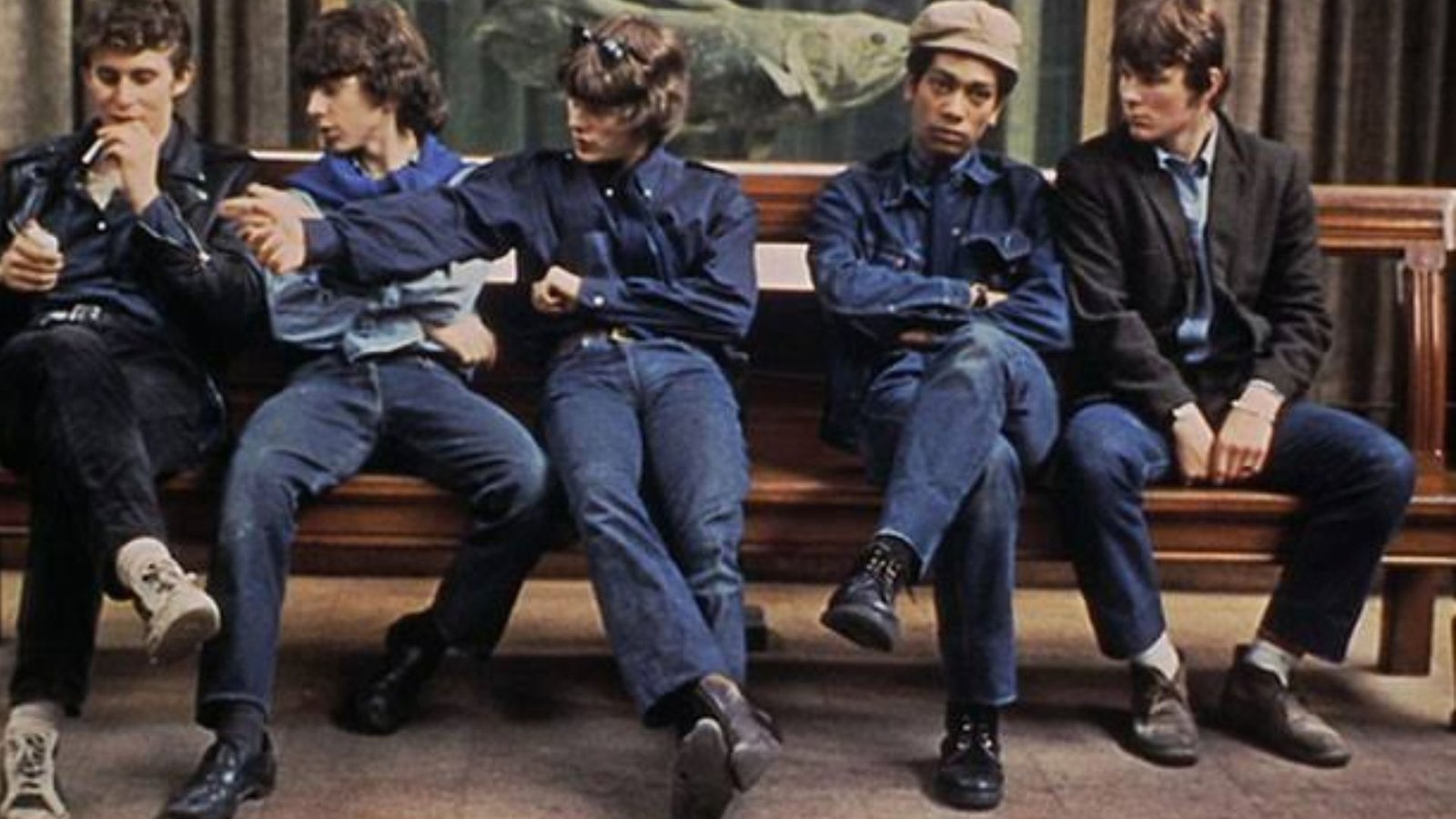
The 1960s changed the way men dressed. Traditional suits and plain shirts no longer defined every man’s wardrobe. Young people started experimenting with colourful clothing, slim trousers, leather jackets, patterned shirts, and distinctive hairstyles. Finding the right style could be confusing because fashion varied between generations and music cultures. Understanding popular male clothes in the 1960s reveals how Mods, greasers, rock musicians, and hippies created looks that still influence men’s fashion today.
1. How Did Men’s Fashion Change During the 1960s?
The 1960s brought a major transformation in men’s clothing. Before this decade, many men preferred traditional suits, simple shirts, dark trousers, and conservative shoes. Clothing often reflected age, occupation, and social expectations.
As the decade progressed, younger men began choosing clothes that reflected their personalities, musical interests, and cultural identities.
Several changes shaped men’s fashion:
- Brighter colours: Men started wearing yellow, green, burgundy, blue, and other noticeable shades.
- Slimmer silhouettes: Narrow trousers, fitted jackets, and close-fitting shirts became fashionable.
- New patterns: Paisley, geometric designs, stripes, and floral prints appeared in everyday clothing.
- Casual dressing: Jeans, sweaters, casual jackets, and simple shirts became more accepted.
- Longer hairstyles: Many young men grew their hair longer, challenging traditional grooming expectations.
- Youth-inspired fashion: Music groups and youth movements influenced clothing choices.
The British Mod movement, the American counterculture, and the growing influence of popular music helped transform menswear. Fashion became a way to communicate individuality rather than simply follow established dress codes.
2. What Were Popular Male Clothes in the 1960s?
The answer depends on the period, location, and cultural group. A young American greaser, a British Mod, and a California hippie could look completely different despite living during the same decade.
However, several clothing items became widely recognised during the 1960s.
The most popular styles included:
- Slim-fit suits with narrow lapels.
- Leather jackets and denim jackets.
- Button-down and patterned shirts.
- Turtleneck sweaters and knitted jumpers.
- Straight-leg trousers and dark jeans.
- Corduroy trousers and jackets.
- Military-inspired jackets.
- Bell-bottom trousers, especially towards the end of the decade.
- Suede vests and fringed jackets.
- Chelsea boots, Beatle boots, loafers, and leather shoes.
Men also experimented with colourful ties, patterned scarves, belts, sunglasses, and other accessories.
One important detail is that these styles did not become popular everywhere at the same time. British youth fashion often favoured sharp tailoring, while American youth culture included strong influences from rock-and-roll, denim, and countercultural movements.
3. Mod Fashion: The Smart and Stylish 1960s Look
Mod fashion was one of the most recognisable styles of the 1960s. The word Mod comes from Modernist, a youth movement that developed in Britain during the late 1950s and became highly influential during the 1960s.
Mods preferred clean lines, carefully fitted clothing, and polished accessories. Their outfits looked modern, smart, and youthful.
Popular Mod clothing included:
- Slim-cut suits with narrow lapels.
- Button-down shirts and fitted collared shirts.
- Narrow trousers with a clean silhouette.
- Short, tailored jackets.
- Knitwear and turtleneck sweaters.
- Chelsea boots and Beatle boots.
- Thin ties and carefully selected accessories.
The Beatles and The Who helped bring Mod-inspired clothing to a wider audience.
London’s Carnaby Street became an important destination for young men looking for fashionable suits, shirts, and accessories.
Mod fashion remains a popular source of inspiration for people who enjoy tailored vintage clothing and smart casual outfits.
4. Popular Male Clothes in the 1960s Greaser Style
Greaser fashion carried the rebellious attitude of 1950s American rock-and-roll culture into the early 1960s. Although the look originated before the decade, it remained familiar among certain teenagers and young men.
The greaser appearance focused on simple, practical clothing with a strong attitude.
Essential greaser clothing:
- Black or brown leather jackets.
- White crew-neck T-shirts.
- Dark blue denim jeans.
- Cuffed straight-leg trousers.
- Checked or plaid shirts.
- Denim jackets.
- Black leather boots.
- Simple belts and sunglasses.
Hair was an important part of this look. Greasers commonly styled their hair with pomade, creating slicked-back styles, pompadours, or other carefully shaped hairstyles.
The white T-shirt, leather jacket, and denim combination became one of the most recognisable outfits associated with American teenage rebellion.
Although greaser fashion was not the dominant style for every man in the 1960s, it remained influential in American youth culture and vintage fashion.
5. Casual Casual Popular Male Clothes in the 1960s
Not every man wanted to wear a tailored suit or a leather jacket. Everyday casual clothing was an important part of the decade’s fashion.
Men needed comfortable outfits for shopping, meeting friends, travelling, attending college, and spending time with family.
Common casual clothing choices included:
Polo shirts: Short-sleeved polo shirts offered a comfortable alternative to formal button-down shirts.
Knit sweaters: Lightweight sweaters and pullovers were commonly worn over collared shirts.
Chinos: Cotton trousers provided a neat appearance without the formality of a complete suit.
Straight-leg jeans: Denim became an increasingly important choice for younger men.
Casual button-down shirts: Plain, checked, and striped shirts worked well with trousers and jeans.
Cardigans: Knitted cardigans provided an additional layer and could be worn for both casual and slightly formal occasions.
Neutral colours such as beige, brown, navy, and grey remained useful, while brighter shades became increasingly fashionable.
6. Hippie Fashion: The Relaxed Look of the Late 1960s
Hippie fashion became increasingly visible during the second half of the 1960s. It reflected a counterculture that valued peace, personal freedom, artistic expression, and alternative lifestyles.
Unlike the carefully tailored Mod appearance, hippie clothing often featured loose shapes, natural materials, colourful patterns, and vintage influences.
Popular hippie clothing included:
- Tie-dye T-shirts.
- Bell-bottom jeans.
- Loose cotton shirts.
- Fringed suede jackets.
- Embroidered vests.
- Colourful scarves and headbands.
- Flared trousers.
- Beaded necklaces.
- Sandals and simple leather footwear.
Many hippies also wore clothing influenced by South Asian, Middle Eastern, and other international traditions.
The late-1960s style was particularly associated with musicians and cultural figures such as Jimi Hendrix, whose colourful outfits helped challenge conventional ideas about men’s clothing.
7. Popular Shirts and Tops Men Wore in the 1960s
Shirts and tops were among the easiest ways for men to experiment with fashion during the 1960s.
Earlier in the decade, simple collared shirts and fitted button-down designs remained common. As the years passed, stronger colours, unusual patterns, and more expressive designs became fashionable.
Some popular choices included:
| Shirt or Top | Main Features | Typical Styling |
|---|---|---|
| Button-down shirt | Traditional collar and front buttons | Trousers or jeans |
| Paisley shirt | Curved, decorative patterns | Slim trousers |
| Floral shirt | Colourful flower designs | Casual trousers |
| Striped shirt | Horizontal or vertical stripes | Jeans or chinos |
| Turtleneck | High, folded neckline | Tailored trousers |
| Polo shirt | Short sleeves and soft collar | Casual trousers |
| Knit sweater | Wool or synthetic knitted fabric | Collared shirt underneath |
| White T-shirt | Simple crew neckline | Denim jeans or leather jacket |
| Checked shirt | Plaid or square patterns | Denim or casual trousers |
The turtleneck became especially useful for men who wanted a modern appearance without wearing a traditional shirt and tie.
Patterned shirts also became an important part of the late-1960s Peacock Revolution, when men’s clothing became more colourful and expressive.
8. Popular Men’s Trousers and Jeans in the 1960s
Trousers changed considerably throughout the decade. Early-1960s fashion often favoured slimmer, neatly fitted trousers, while the late 1960s introduced more relaxed and dramatic shapes.
Men selected different trousers depending on their age, lifestyle, and fashion preferences.
Straight-leg jeans
Denim jeans were popular among younger men, particularly those influenced by American rock-and-roll and casual youth culture.
Slim-fit trousers
Slim trousers were an important feature of British Mod fashion. They created a sharp appearance when worn with fitted jackets and polished shoes.
Corduroy trousers
Corduroy offered a textured alternative to ordinary cotton trousers. It was available in different colours and worked well with sweaters and casual jackets.
Chinos
Chinos were suitable for men who wanted comfortable trousers with a cleaner appearance than jeans.
Bell-bottom trousers
Bell-bottoms became increasingly associated with hippie fashion and the late 1960s. Their wider lower legs created a distinctive silhouette.
Flared trousers
As the decade approached the 1970s, wider trouser shapes became more noticeable in men’s fashion.
9. Jackets and Outerwear That Defined 1960s Men’s Fashion
Jackets helped men express different fashion identities. Some preferred polished tailoring, while others chose casual denim, leather, or military-inspired clothing.
The following styles were particularly recognisable:
- Leather jackets: Associated with greaser culture and rebellious American youth fashion.
- Denim jackets: Comfortable outerwear that worked with jeans and simple T-shirts.
- Corduroy jackets: Popular for their textured appearance and casual versatility.
- Tailored blazers: A smart choice for college, social occasions, and everyday wear.
- Suede jackets: Particularly suitable for relaxed late-1960s outfits.
- Military jackets: Influenced by military surplus clothing and countercultural fashion.
- Long coats: Traditional outerwear remained useful for colder weather and formal occasions.
The choice of jacket could completely change an outfit. A fitted blazer created a smart appearance, while a leather jacket gave a more rebellious look.
10. Popular Male Shoes in the 1960s
Shoes played an important role in completing men’s outfits. During the 1960s, footwear ranged from traditional leather dress shoes to fashionable ankle boots.
| Shoe Style | Description | Popular Outfit |
|---|---|---|
| Chelsea boots | Ankle-high boots with elastic side panels | Mod suits |
| Beatle boots | Slim ankle boots, often with pointed toes | Slim trousers |
| Loafers | Slip-on leather shoes | Casual and smart outfits |
| Oxford shoes | Traditional lace-up dress shoes | Formal suits |
| Brogues | Decorative leather shoes with perforations | Tailored clothing |
| Leather boots | Practical and stylish boots | Jeans and jackets |
| Sandals | Open footwear | Relaxed hippie outfits |
| Suede shoes | Soft-textured footwear | Casual and vintage looks |
Chelsea boots became especially recognisable through the influence of British music and Mod culture.
For a classic 1960s appearance, men often matched their shoes with their trousers, jacket, and overall outfit style.
11. Popular Male Clothes in the 1960s for Teens and Teenagers
Teenage fashion was one of the biggest influences on men’s clothing during the 1960s. Young men wanted outfits that looked different from the clothing their fathers wore.
Music, television, films, and youth movements introduced teenagers to new ways of dressing.
Popular male clothes in the 1960s for teens included:
- White T-shirts with blue denim jeans.
- Leather jackets with dark trousers.
- Slim-fit suits inspired by British Mods.
- Checked shirts with casual trousers.
- Polo shirts with straight-leg jeans.
- Knit sweaters with button-down shirts.
- Corduroy trousers with casual jackets.
- Beatle boots and leather loafers.
- Denim jackets with simple shirts.
- Colourful patterned shirts for fashionable occasions.
Teenagers also experimented with hairstyles. Slicked-back hair remained popular among greaser-inspired groups, while younger men influenced by British bands increasingly preferred longer hair.
What Made Teenage Fashion Different?
Teenage fashion was more experimental than traditional adult clothing. Young people often selected outfits based on music, friendships, entertainment, and the cultural groups they admired.
Three major influences shaped teenage style:
- Rock-and-roll culture: Encouraged denim, leather jackets, boots, and casual clothing.
- British music: Introduced slim suits, fitted shirts, and Beatle boots.
- Counterculture: Encouraged colourful shirts, loose trousers, vintage clothing, and individual expression.
These influences explain why teenagers could have very different appearances even when they lived in the same city.
12. Popular Hairstyles and Accessories for Men in the 1960s
Clothing was only one part of men’s appearance. Hairstyles and accessories helped complete the different fashion identities of the decade.
Popular men’s hairstyles
| Hairstyle | Description | Associated Style |
|---|---|---|
| Pompadour | Hair swept upward and backward | Greaser |
| Slicked-back hair | Hair combed smoothly backwards | Rock-and-roll |
| Short Mod haircut | Neatly shaped, shorter hairstyle | Mod |
| Mop-top | Longer hair falling around the forehead | British music influence |
| Side-parted hair | Hair divided neatly to one side | Traditional and smart |
| Longer natural hair | Less structured, grown-out hair | Late-1960s hippie |
Popular men’s accessories
- Watches: Traditional wristwatches added a practical finishing touch.
- Leather belts: Commonly worn with jeans and tailored trousers.
- Sunglasses: Dark frames and distinctive shapes completed casual outfits.
- Thin ties: Worked particularly well with Mod suits.
- Wide ties: Became increasingly noticeable during the Peacock Revolution.
- Scarves: Added colour and texture to casual outfits.
- Headbands: Associated with some late-1960s countercultural styles.
- Beaded necklaces: Helped create the relaxed hippie appearance.
Accessories allowed men to personalise even relatively simple outfits.
13. How Men’s Fashion Changed from Early to Late 1960s
One of the most important things to understand about 1960s fashion is that the decade did not have one fixed style.
The early, middle, and late years introduced different clothing preferences.
| Period | Fashion Direction | Popular Clothing | Overall Appearance |
|---|---|---|---|
| 1960–1962 | Traditional and emerging youth fashion | Conservative suits, button-down shirts, slim trousers | Neat and understated |
| 1963–1964 | British Mod influence | Slim suits, narrow ties, fitted shirts, ankle boots | Smart and youthful |
| 1965–1966 | Peacock Revolution | Colourful shirts, patterned jackets, turtlenecks | Bold and expressive |
| 1967–1968 | Hippie and counterculture influence | Tie-dye shirts, denim, suede jackets, loose clothing | Relaxed and creative |
| 1969 | Transition towards 1970s fashion | Flared trousers, wide collars, vintage clothing | More dramatic and individual |
The early 1960s retained many traditional menswear elements. By the middle of the decade, colourful and experimental clothing had become more visible.
The final years brought stronger countercultural influences, wider trousers, and more relaxed dress codes.
This timeline helps explain why two photographs from different years of the same decade can show completely different men’s outfits.
14. Complete Comparison: Most Popular Male Clothes in the 1960s
The following table brings together the major clothing styles, their defining characteristics, and the men who commonly adopted them.
| Fashion Style | Main Clothing Items | Key Colours | Typical Audience |
|---|---|---|---|
| Mod | Slim suits, fitted shirts, narrow trousers | Black, navy, grey, burgundy | Young men and fashion enthusiasts |
| Greaser | Leather jackets, white T-shirts, jeans | Black, white, blue, brown | American teenagers and young men |
| Hippie | Tie-dye shirts, flared jeans, suede vests | Orange, green, yellow, brown | Counterculture followers |
| Casual | Polo shirts, chinos, sweaters | Beige, navy, white, brown | Everyday wear |
| Traditional | Formal suits, dress shirts, ties | Grey, black, navy | Working men and older generations |
| Peacock | Velvet suits, printed shirts, wide ties | Purple, red, gold, bright colours | Fashion-conscious men |
| Military-inspired | Military jackets, boots, surplus clothing | Olive, khaki, brown | Alternative fashion followers |
| College-inspired | Sweaters, collared shirts, chinos | Navy, cream, green | Students and young professionals |
Which 1960s Style Was the Most Popular?
There was no single winner across all countries and age groups.
However, Mod fashion became especially influential in Britain, greaser-inspired clothing remained recognisable in American youth culture, and hippie fashion became increasingly visible towards the end of the decade.
For everyday wear, jeans, shirts, sweaters, and casual trousers offered practical choices for many men.
15. How to Recreate Authentic 1960s Men’s Outfits Today
Vintage-inspired fashion remains attractive because it combines classic shapes with distinctive details.
You do not need an entirely vintage wardrobe to recreate the appearance of the decade. A few carefully selected clothing pieces can create an authentic-inspired outfit.
Here are five outfit combinations to consider.
Outfit 1: Classic American Greaser
- Black leather jacket.
- Plain white T-shirt.
- Dark blue straight-leg jeans.
- Black leather boots.
- Slicked-back hairstyle.
This outfit recreates the rebellious American youth appearance associated with greaser culture.
Outfit 2: British Mod Style
- Slim-fitting navy or charcoal suit.
- White button-down shirt.
- Narrow tie.
- Slim trousers.
- Chelsea boots.
This combination creates a polished and recognisable Mod-inspired appearance.
Outfit 3: Relaxed Casual Style
- Beige chinos.
- Light-coloured polo shirt.
- Brown leather loafers.
- Simple wristwatch.
This is a practical option for anyone who prefers understated vintage clothing.
Outfit 4: Late-1960s Hippie Style
- Colourful patterned shirt.
- Flared denim trousers.
- Suede vest.
- Leather sandals.
- Beaded necklace.
This outfit captures the relaxed, expressive character of late-1960s counterculture.
Outfit 5: Peacock-Inspired Style
- Bold patterned shirt.
- Velvet or textured blazer.
- Slim or slightly wider trousers.
- Statement tie.
- Leather ankle boots.
This combination works well for anyone who enjoys colourful and expressive vintage menswear.
Styling tip: Pay attention to the year you want to recreate. Pairing early-1960s narrow trousers with exaggerated late-1960s flares may produce a mixed-period appearance rather than a historically consistent outfit.
16. Why 1960s Men’s Fashion Still Influences Modern Clothing
The influence of 1960s menswear remains visible in modern fashion. Designers and clothing brands regularly revisit the decade’s distinctive silhouettes, colours, and cultural influences.
Several elements continue to appear in contemporary wardrobes:
- Chelsea boots remain a recognisable footwear choice.
- Leather jackets continue to represent classic casual style.
- Slim suits remain popular for formal and semi-formal occasions.
- Turtleneck sweaters offer a timeless alternative to dress shirts.
- Denim jackets remain a versatile outerwear option.
- Paisley and geometric prints regularly return to fashion collections.
- Flared trousers and vintage denim inspire retro-inspired outfits.
The decade also helped establish the idea that men’s clothing could be expressive, colourful, and influenced by music and personal identity.
That change made 1960s fashion more than a collection of vintage outfits. It helped redefine modern menswear.
17. Frequently Asked Questions About Popular Male Clothes in the 1960s
1. What were popular male clothes in the 1960s?
Popular men’s clothing included slim-fit suits, leather jackets, denim jeans, button-down shirts, turtleneck sweaters, corduroy trousers, and colourful patterned shirts. Mod, greaser, and hippie styles were particularly recognisable during different parts of the decade.
2. What are popular male clothes in the 1960s for teenagers?
Teenagers commonly wore denim jeans, white T-shirts, leather jackets, checked shirts, polo shirts, slim trousers, and casual sweaters. British-inspired Mod suits and American greaser outfits also influenced teenage fashion.
3. What was popular male clothes in the 1960s greaser style?
Greaser fashion featured black leather jackets, white T-shirts, dark denim jeans, leather boots, and slicked-back hairstyles. This style carried the influence of 1950s American rock-and-roll culture into the early 1960s.
4. What were some popular male clothes in the 1960s for everyday wear?
Everyday clothing included button-down shirts, polo shirts, chinos, straight-leg jeans, knit sweaters, cardigans, and casual jackets. These pieces offered comfort while maintaining a neat appearance.
5. What are some popular male clothes in the 1960s from the late decade?
Late-1960s fashion included tie-dye shirts, flared trousers, bell-bottom jeans, suede jackets, embroidered vests, colourful patterned shirts, and military-inspired clothing. Hippie culture and the Peacock Revolution influenced these changes.
6. Where can I find popular male clothes in the 1960s images for fashion inspiration?
Museum clothing collections, historical fashion archives, vintage photographs, and photographs of musicians from the decade are useful research resources. Look for Mod suits, greaser outfits, hippie clothing, and Peacock Revolution menswear to understand how styles differed throughout the 1960s.
Conclusion: Discover the Timeless Appeal of 1960s Men’s Fashion
The 1960s transformed men’s fashion by introducing new colours, shapes, patterns, and ways of expressing personal identity. From sharp Mod suits and rebellious leather jackets to relaxed hippie clothing and colourful Peacock styles, the decade offered something for almost every personality.
Understanding popular male clothes in the 1960s also means recognising how music, youth culture, and changing social attitudes influenced everyday wardrobes.
Whether you prefer the smart British Mod appearance, the classic American greaser outfit, or the relaxed hippie aesthetic, these vintage styles offer plenty of inspiration for modern clothing.
